Colca Canyon viewpoints in Peru: Natural Vistas of Colca Valley
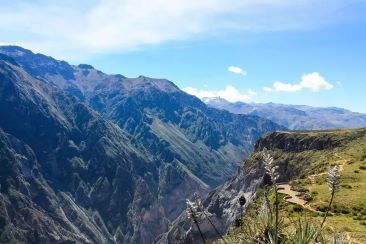
Hidden within the southern Andes of Peru, the Colca Valley unfolds a living canvas shaped by time, altitude, and tradition. This guide explores the most remarkable Colca Canyon Viewpoints revealing how each lookout offers a unique way to experience the natural vistas of the Colca Valley. Towering cliffs descend toward a winding river, while ancient terraces cling to steep slopes like stairways carved by history itself. Travelers drawn to this region often come for the sheer depth of the canyon. But, they leave remembering the moments spent gazing outward from high ridges, where silence feels sacred.
The Geological Story Behind the Colca Valley
The Colca Valley is the result of millions of years of volcanic activity and erosion. Lava flows from nearby volcanoes hardened into rock, which the Colca River slowly carved away. This process created a canyon of immense depth and dramatic contrast. Unlike many canyons that feel barren, this valley supports life at every level. Fertile terraces line the slopes, while high plateaus remain windswept and stark. Viewing the canyon from above allows travelers to understand how fire and water worked together to shape this extraordinary terrain.
Cruz del Cóndor and Andean Sky
Cruz del Cóndor is widely regarded as the most powerful Colca Canyon Viewpoints in the region. Early mornings here feel almost ceremonial. As the sun rises, warm air currents lift massive Andean condors into flight. Watching these birds glide effortlessly past cliff edges is humbling. Their presence adds movement to an already dramatic landscape. Beyond wildlife encounters, this overlook reveals the canyon's true depth, with vertical walls plunging toward the river below. It is a place where nature commands full attention.
Antahuilque and the Living Legacy of Andean Agriculture
Near Yanque village, Antahuilque offers a softer, more intimate view of the valley. Instead of overwhelming scale, the focus here is harmony between people and land. Stone terraces built long before the Inca Empire still support crops today. From this vantage point, visitors see patchwork fields stretching across the hillsides. These terraces demonstrate advanced agricultural knowledge adapted to high-altitude conditions. Standing here highlights how survival and beauty coexist in the Andes.
Achachihua and the Presence of Volcanoes
Achachihua provides sweeping views that extend beyond the canyon walls. On clear days, distant volcanoes dominate the horizon, reminding visitors that the land is still alive beneath its surface. Sabancaya, often releasing faint plumes of steam, adds a sense of quiet power. The contrast between volcanic peaks and the gentle flow of the river below creates a striking visual balance. This viewpoint is especially rewarding for travelers interested in Andean geology and dramatic mountain scenery.
Wayra Punku and the Power of the Wind
Wayra Punku, translated as “Gate of the Wind”, lives up to its name. Strong gusts often sweep through this narrow section of the canyon. That add intensity to the Colca Canyon Viewpoints experience. From this spot, the river's curves become more pronounced, showing how water patiently shapes even the hardest rock. The constant wind creates an atmosphere of motion and sound, making the canyon feel dynamic rather than still. It is an ideal place to appreciate natural forces at work.
Patapampa Pass and the View from the Sky
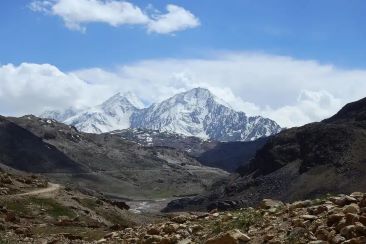
Patapampa Pass sits high above the canyon and serves as a dramatic introduction to the region. At nearly 5000 meters above sea level, the air feels thin and crisp. From here, travelers see the valley framed by snow-capped peaks and vast plateaus. Herds of alpacas and llamas often graze nearby, adding life to the stark landscape. This high-altitude perspective helps visitors appreciate the scale of the Andes before descending into the canyon depths.
San Miguel and the Beauty of Quiet Perspectives
For those seeking calm and reflection, San Miguel offers a less-visited overlook. The canyon appears gentler here, with rounded slopes and scattered vegetation softening the dramatic drop. Small villages are visible in the distance, their presence grounding the vast scenery in daily life. This viewpoint is ideal for photography and contemplation. Without crowds, visitors can absorb the sounds of wind and distant water, experiencing the valley at a slower pace.
Choquetico and Traces of Ancient Engineering
Choquetico stands out for its archaeological significance. From this vantage point, visitors can spot hanging tombs and ancient pathways carved directly into cliff faces. These features reveal how pre-Inca cultures adapted to extreme environments. The steep canyon walls emphasize the ingenuity required to live and travel here centuries ago. Viewing these remnants from above connects natural beauty with human history, adding depth to the overall experience.
Light, Shadow, and the Changing Face of the Canyon
The Colca Valley transforms throughout the day. Early mornings bring soft light and cool air, ideal for wildlife sightings. As the sun rises higher, shadows retreat and reveal textures in the rock and terraces. Late afternoons cast long shadows that deepen the canyon's appearance, creating dramatic contrasts. Planning visits around these light changes enhances the visual experience and allows travelers to see the valley in multiple moods.
Cultural Encounters Near the Lookouts
Many overlooks sit close to traditional Andean villages. Locals often sell handmade textiles, hats, or snacks made from regional ingredients. These interactions add warmth to the journey and support local livelihoods. Observing daily routines near these viewpoints reminds visitors that the valley is not just a scenic attraction. It is home to communities that have lived in balance with the land for generations.
Preparing for a Safe and Rewarding Visit
Altitude is the most important factor to consider when visiting the Colca Valley. Acclimatizing in Arequipa before traveling helps reduce discomfort. Weather can change rapidly, so layered clothing is essential. Sun protection is equally important due to high elevation. Guided tours to Colca Canyon Viewpoints offer valuable context, while independent travel provides flexibility. Respecting trails and local customs ensures these landscapes remain preserved for future visitors.
Conclusion: A Deeper Way to Experience the Colca Valley
Exploring the Colca Canyon Viewpoints offers far more than impressive depth and dramatic cliffs. Each lookout reveals a different chapter of the valley's story. That starts from volcanic origins and soaring condors and goes to ancient agriculture and living culture. Together, these perspectives create a rich, layered understanding of the Colca Valley. For travelers willing to slow down and observe, the canyon becomes not just a destination, but a profound encounter with nature and time itself.