Explore Nag Tibba Summit: Enjoy Snow peak view in Uttarakhand
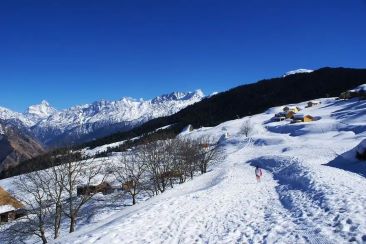
Perched gracefully in the lower Himalayas of Uttarakhand, the Nag Tibba Summit is a scenic trail. It offers one of the most rewarding short treks in North India. Known as the “Serpent's Peak”, this trail is perfect for both seasoned trekkers and beginners seeking a weekend escape into the mountains. With snow-draped peaks, dense forests, and charming villages, Nag Tibba promises an unforgettable Himalayan adventure. That does not demand weeks of preparation.
A Quick Overview of Nag Tibba
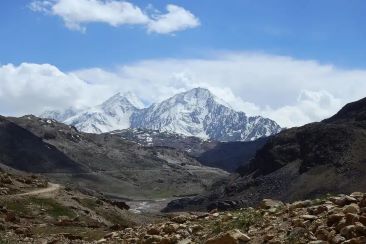
Nag Tibba stands tall at about 9915 feet (3022 meters). That make it the highest peak in the lesser Himalayan range near Mussoorie. The Pindari Glacier Scenic point trek begins from Pantwari village, a few hours' drive from Dehradun or Mussoorie. Despite its moderate difficulty level, it rewards trekkers with sweeping views of snow peaks like Swargarohini, Bandarpoonch, Kedarnath, and Gangotri.
Why Choose Nag Tibba for Your Next Trek
If you're short on time but crave high-altitude beauty, this trek is ideal. Unlike other Himalayan routes that require long acclimatization periods, this one can be completed over a weekend. It's beginner-friendly yet thrilling enough for experienced hikers who want to reconnect with nature without venturing too far.
The Best Time to Visit
The charm of Nag Tibba Summit changes with every season. Winter transforms it into a white wonderland when the trail gets covered in snow-perfect for those craving a snowy adventure. Spring brings blooming rhododendrons and crisp mountain air, while autumn offers clear skies and panoramic views. However, avoid monsoon months due to slippery trails and unpredictable weather.
Getting There: The Starting Point
Your journey of Nag Tibba Summit begins at Pantwari village, roughly 90 km from Dehradun. You can take a taxi or shared jeep via Mussoorie or Nainbagh. The drive itself is scenic, winding through pine forests and terraced fields. Moreover, Pantwari serves as the base camp. From there, trekkers usually rest before starting their ascent towards Nag Tibba Summit early next morning.
The Trek Route Explained
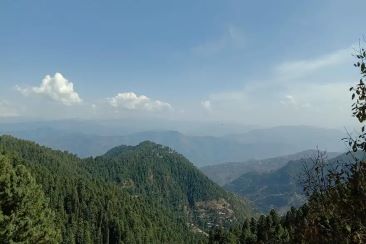
The trek typically takes two days to complete. On Day 1, you'll ascend from Pantwari to the Nag Tibba base camp through oak and deodar forests. The gradual climb offers glimpses of local life and stunning Himalayan vistas. On Day 2, you'll make your way to the summit point for breathtaking sunrise views before descending back to Pantwari.
Experience Snow-Covered Trails
One of the highlights of winter trekking here is walking through snow-laden paths surrounded by tall pines. The crunch of fresh snow under your boots and the sight of glittering peaks create an almost magical atmosphere. For many travelers, this moment alone makes reaching Nag Tibba Summit worth every step.
Stunning Views from the Top
Once you reach the top of Nag Tibba Summit, prepare to be mesmerized by 360-degree mountain views. On a clear day, you can spot famous peaks like Nanda Devi and Chaukhamba glistening in the distance. The sense of accomplishment that accompanies these views is unmatched-especially after witnessing sunrise light up the Himalayan skyline.
Flora and Fauna Along the Trail
Nature enthusiasts will love exploring Nag Tibba's diverse ecosystem. The trail passes through thick oak, rhododendron, and deodar forests teeming with birdlife. You might spot Himalayan langurs or hear distant calls of mountain birds echoing through the valleys. It's a reminder that you're deep within nature's realm.
Camping Under Starry Skies
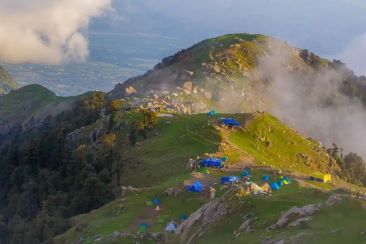
Camping near the base camp is an experience in itself. As night falls, trekkers gather around bonfires sharing stories under star-studded skies. The silence of the mountains mixed with crackling firewood makes for perfect Himalayan serenity. It is a memory that further stays long after you return home.
Local Culture and Hospitality
The nearby villages reflect authentic Garhwali culture and warm hospitality. Interacting with locals gives travelers a deeper understanding of mountain life-simple yet rich in tradition. Don't miss tasting local dishes for example Mandua roti or Aloo ke gutke. That further offer a true flavor of Uttarakhand's culinary heritage.
Essential Gear and Preparation Tips
Though not technically challenging, proper preparation ensures a smooth trek experience. Carry sturdy trekking shoes, layered clothing for temperature changes, rain protection during uncertain weather, and sufficient hydration packs. Hiring a local guide can also enhance safety while helping you discover hidden viewpoints along the route.
Safety Measures to Keep in Mind
Altitude sickness is rare here but staying hydrated helps maintain energy levels. Always check weather forecasts before starting your journey and avoid venturing out during heavy snowfall or storms. Keeping basic medical supplies handy ensures quick action if minor issues arise on the trail.
Sustainable Trekking Practices
As more travelers explore this region, responsible tourism becomes vital. Avoid littering; carry reusable water bottles and eco-friendly gear to minimize waste. Meanwhile, respect local customs and wildlife habitats. Leaving behind nothing but footprints ensures future trekkers enjoy an equally pristine environment at Nag Tibba Summit.
Ideal Itinerary for Weekend Trekkers
A typical itinerary includes driving from Dehradun to Pantwari on Day 1 morning. Trekking to base camp by evening, then summiting early next morning before returning by afternoon or evening on Day 2. This compact schedule makes it one of India's best short Himalayan escapes for busy explorers seeking rejuvenation in nature's lap.
What Makes Nag Tibba Truly Special
Unlike crowded tourist destinations, Nag Tibba retains its raw charm and tranquility. It's not just about reaching a peak-it's about experiencing Uttarakhand's natural beauty up close while disconnecting from daily chaos. Whether you're trekking solo or with friends, every moment here feels refreshing and deeply rewarding.
Conclusion
Nag Tibba Summit isn't just another hiking destination-it's an immersive journey through nature's finest landscapes in Uttarakhand. From snow-capped peaks to peaceful campsites and warm local culture, every element adds depth to your adventure story. Perfect for beginners yet captivating for seasoned trekkers, this summit proves that sometimes short treks deliver long-lasting memories. It may perhaps a newfound love for the Himalayas themselves.