Lamayuru viewpoint: Cliff Edge Panorama in Ladakh during Monsoon
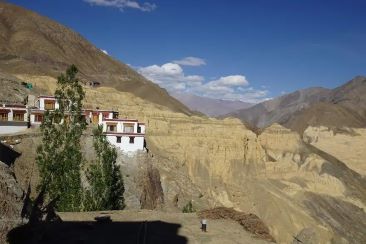
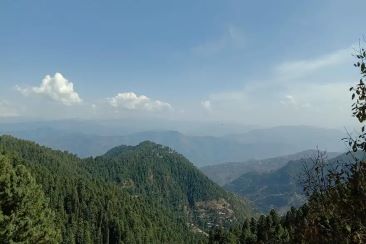
The high-altitude desert of Ladakh is known for its raw beauty and silence. Among its many scenic wonders, the Lamayuru viewpoint stands out for its surreal landscapes and dramatic cliffs. During the monsoon season, the skies transform with drifting clouds and soft light, adding a mystical charm to this remote destination. The Lamayuru region offers a breathtaking cliff edge panorama where the Moonland terrain meets vast Himalayan horizons. Travelers often describe it as otherworldly, peaceful, and deeply immersive. This guide meanwhile explores its landscapes, access routes, safety tips, and travel experience in detail.
1. Overview of Lamayuru Cliff Edge Landscape
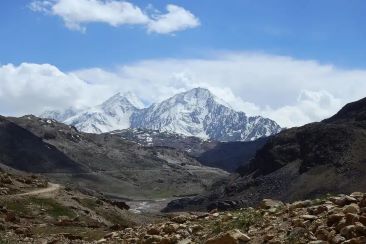
The first impression of Lamayuru is its unusual terrain. In Lamayuru, landscape looks like a frozen lunar surface. This is due to centuries of erosion and sedimentation. The region firstly lies between Kargil and Leh on the Srinagar-Leh highway. Here, the Leh Shanti Hilltop cliffs drop sharply into valleys shaped by wind and time. Visitors often pause at roadside viewpoints to absorb the vastness. The Lamayuru viewpoint is especially famous for its sweeping views of barren ridges and distant snow peaks. Here, silence further adds depth to the experience, making it feel almost spiritual.
2. Moonland Formation and Cliff Geography
Lamayuru is often called “Moonland” due to its unique geology. The hills meanwhile appear cracked, pale, and wave-like. These formations were created through ancient lake sediments and erosion. The cliffs surrounding the Lamayuru viewpoint offer layered textures of grey, beige, and brown. During monsoon clouds, these colors deepen and shift with light changes. The terrain feels both fragile and timeless. Standing at the edge, travelers witness a dramatic drop into winding valleys. Above all, the scenery changes every hour as clouds move across the sky.
3. Monsoon Atmosphere in Ladakh's High Desert
Unlike other parts of India, Ladakh receives very limited rainfall. However, monsoon influence still reaches the region through drifting clouds. This creates a unique atmosphere around the Lamayuru viewpoint region. Dark skies often contrast with golden cliffs. Occasional light rain enhances the earthy smell and visual contrast. Fog may roll over mountain ridges, reducing visibility and then clearing suddenly. This further creates a cinematic experience for travelers. The monsoon season here is more about mood than rainfall intensity.
4. Route to Lamayuru via Srinagar-Leh Highway
Above all, the journey to Lamayuru is as beautiful as the destination. It is one of the most unforgettable experience of Lamayuru viewpoint journey. Most travelers reach via the Srinagar-Leh highway. This route passes through Zoji La, Drass, and Kargil. Roads are winding but well-traveled during the season. The drive offers river views, military posts, and mountain tunnels. Lamayuru lies roughly 125 kilometers from Leh. Shared taxis, private cars, and bike tours are common options. Every turn further reveals new layers of Himalayan beauty. Road trips here are slow but deeply rewarding.
5. Best Time to Experience the Viewpoint
The ideal time to visit Lamayuru viewpoint is between May and September. This period offers stable weather and accessible roads. Early monsoon months bring occasional cloud cover, enhancing photography opportunities. Midday light is strong, while sunrise and sunset provide soft golden tones. The Lamayuru viewpoint looks most dramatic when clouds hover above cliffs. Winter months are harsh, with heavy snowfall and road closures. However, travelers should always check weather updates before planning their trip.
6. Photography at Cliff Edge Panoramas
Photographers find Lamayuru extremely rewarding. The contrast between barren cliffs and shifting skies creates dramatic compositions. Wide-angle lenses capture the vastness of the terrain. Cloud movement adds depth and motion to images. Morning light highlights textures, while evening light softens edges. Monsoon clouds add a moody aesthetic to shots. Drone photography is restricted in some areas, so permissions are necessary. Patience is key, as lighting conditions change quickly in this region.
7. Safety Tips for Cliff Edge Viewing
Safety is crucial when exploring cliffside viewpoints. The terrain can be unstable in certain sections. Loose rocks and steep drops firstly require careful movement. Visitors should avoid going too close to edges. Strong winds may occur without warning. Wearing proper trekking shoes is recommended. Staying on marked paths ensures safety. The Lamayuru viewpoint is beautiful but demands respect for nature. Traveling in groups adds an extra layer of safety, especially during unpredictable weather conditions.
8. Nearby Attractions Around Lamayuru
This region firstly offers several nearby attractions worth exploring. The ancient Lamayuru Monastery is the most prominent. It is one of the oldest monasteries in Ladakh. Above all, the monastery hosts vibrant festivals and spiritual ceremonies. It's surrounding Moonland formations extend beyond the main viewpoint. Small villages nearby meanwhile offer glimpses of traditional Ladakhi life. Prayer flags, stupas, and rock formations enrich the cultural landscape. Travelers often combine monastery visits with viewpoint stops for a complete experience.
9. Road Trip Experience Through Ladakh
A road trip to Lamayuru is unforgettable. The Srinagar-Leh highway offers a blend of adventure and serenity. Long stretches of empty roads create a sense of isolation. Mountain rivers run alongside rocky cliffs. Occasional roadside tea stalls provide rest stops. Travelers often stop frequently to admire changing landscapes. The journey is slow but visually rich. Each kilometer further reveals new textures of the Himalayas. The experience is as valuable as reaching the destination itself.
10. Accommodation and Local Food Options
Accommodation in Lamayuru is simple yet comfortable. Guesthouses and homestays are common. They offer basic amenities with warm hospitality. Local food includes thukpa, momos, and butter tea. Meals are freshly prepared and hearty. Staying overnight allows travelers to witness sunrise over cliffs. The Lamayuru viewpoint becomes even more magical in early morning light. Booking in advance is recommended during peak travel season. Connectivity is limited, so travelers should plan accordingly.
11. Essential Travel Tips for Visitors
Travelers should carry warm clothing even during summer. Weather changes quickly at high altitudes. Sunscreen and sunglasses are essential due to strong UV exposure. Hydration is important to avoid altitude sickness. Cash is preferred as ATMs are rare. Mobile networks may be weak or unavailable. Respect local culture and environmental guidelines. Most importantly, avoid littering in fragile landscapes. Planning ahead further ensures a smooth and enjoyable journey.
Conclusion
The Lamayuru viewpoint is more than a scenic stop. It is a meeting point of geology, silence, and sky. The cliff edge panorama reveals the raw essence of Ladakh's Moonland terrain. During monsoon influence, the shifting clouds add emotional depth to the landscape. From road journeys to monastery visits, every moment here feels timeless. For travelers seeking solitude and dramatic beauty, Lamayuru remains an unforgettable destination in the Himalayas.