Munsiyari viewpoint: Breathtaking Forest view during Spring
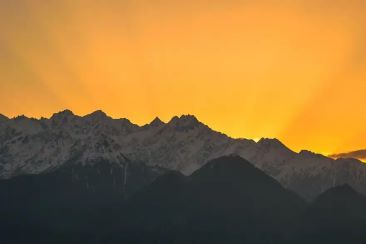
Spring in the Kumaon Himalayas feels like nature taking a deep, joyful breath. Tucked away in eastern Uttarakhand, Munsiyari viewpoint becomes a window into this seasonal transformation. Snow slowly withdraws from the lower slopes, forests awaken with fresh leaves, and distant peaks shine under clear blue skies. The experience is not just about scenery. It is about silence, fresh mountain air, and the rhythm of forests coming back to life.
This detailed guide explores the beauty, atmosphere, and experiences. That define springtime at Chamera Lake Scenic point this Himalayan vantage point. From forest textures to cultural moments, every aspect contributes to a journey that feels slow, meaningful, and deeply refreshing.
1. Understanding the Geography of Munsiyari
Munsiyari sits in the Pithoragarh district of Uttarakhand, close to the Indo-Nepal border. It rests at an altitude of roughly 2200 meters. The town is surrounded by high ridges, alpine forests, and deep river valleys. These natural layers create multiple lookout points that reveal different moods of the landscape.
Spring enhances visibility across the region. Valleys appear greener, ridgelines sharper, and snow peaks more defined. The areas of Munsiyari viewpoint capture this contrast beautifully. They offer panoramic scenes shaped by both altitude and forest cover.
2. The Transformation That Spring Brings
Spring arrives here between March and May. Temperatures gradually rise, but the air stays crisp. Snow begins melting on mid-level slopes, feeding streams and rivers below. Trees regain foliage, and wildflowers begin to bloom.
This seasonal shift creates a balanced environment. It is neither harsh like winter nor humid like monsoon. The land feels accessible, alive, and inviting. Every sunrise brings subtle changes in color and texture across the forests and mountains.
3. Forest Canopies and Layers of Green
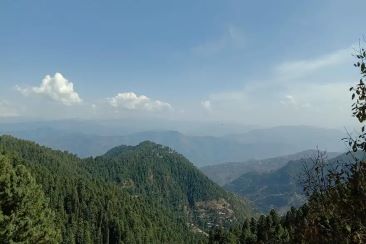
Forests dominate the scenery around the Munsiyari viewpoint area. Oak, pine, deodar, and rhododendron trees form dense canopies. During spring, new leaves add lighter shades of green to darker winter tones. This layering creates depth and softness in the landscape.
Rhododendron blooms stand out the most. Their red and pink flowers dot hillsides, adding color without overwhelming the natural palette. Walking near these forests feels immersive. The scent of damp soil and blossoms fills the air.
4. Snow-Clad Peaks on the Horizon
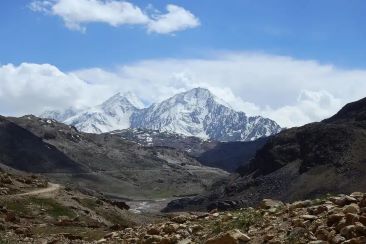
One of the most striking elements visible from the Munsiyari viewpoint is the Himalayan skyline. The Panchachuli peaks dominate the horizon. These five majestic summits remain snow-covered well into late spring.
Clear weather during this season improves visibility. Early mornings often reveal crisp outlines of the peaks. As sunlight shifts, shadows dance across the slopes. The contrast between white snow and green forests defines the classic Himalayan spring view.
5. Light, Clouds, and Changing Skies
Spring skies remain dynamic. Mornings start clear and calm. Thin clouds often roll in by afternoon. These clouds soften harsh sunlight and add drama to the scenery.
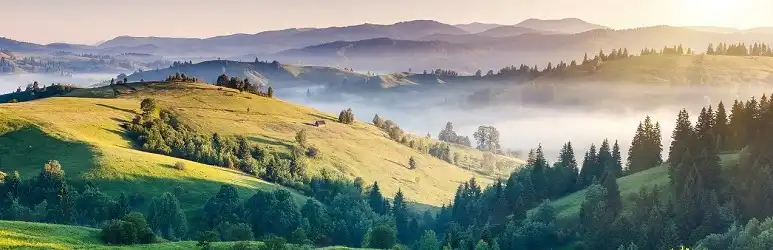
Mist occasionally rises from valleys during early hours. This creates layered views where forests appear to float. Photographers appreciate this natural play of light and shadow. Each hour offers a slightly different perspective.
6. Birdsong and Wildlife Awakening
Spring marks the return of birdlife. Migratory species arrive, filling forests with sound. Himalayan monals, thrushes, finches, and flycatchers are commonly seen. Butterflies flutter near flowering shrubs.
Wildlife sightings remain subtle rather than dramatic. Small mammals move quietly within forest cover. Early morning walks offer the best chance to observe these creatures without disturbance.
7. Forest Trails and Gentle Walks
Several short trails begin near the town and lead through forested slopes. These paths are ideal during spring. The ground remains firm, and temperatures stay comfortable.
Walking through these trails feels meditative. Fallen pine needles cushion each step. Occasional clearings open views toward valleys and peaks. Even casual walkers can enjoy these routes without advanced trekking skills.
8. Spring as a Photographer's Season
Spring offers ideal conditions for landscape photography. The air stays clearer than summer. Colors appear richer due to fresh vegetation. Snow peaks reflect light beautifully during golden hours.
Wide-angle lenses capture valley expanses. Telephoto lenses isolate distant ridges and peaks. Slow-paced exploration allows photographers to wait for the right light. Patience often rewards with unforgettable frames.
9. Village Life During Spring Months
Spring is also a season of activity for nearby villages. Locals prepare fields for cultivation. Terraced farms regain green hues. Livestock grazing becomes more visible along slopes.
Traditional stone houses blend naturally into the surroundings. Smoke rises gently from kitchen chimneys during mornings. Conversations with locals reveal stories shaped by seasons, weather, and mountain life.
10. Cultural Rhythm and Local Traditions
The culture of this region follows nature closely. Spring festivals celebrate renewal and fertility. Food becomes lighter and fresher. Forest produce like herbs and wild greens appear in local meals.
Visitors who take time to understand this rhythm gain deeper appreciation. Respectful interactions create meaningful travel experiences beyond sightseeing.
11. Adventure Possibilities in Spring
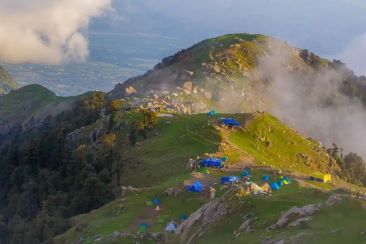
Spring opens the door to mild adventure. Snow retreat allows access to trekking routes that remain closed in winter. Short hikes toward alpine meadows become possible.
Camping at lower altitudes feels comfortable during this season. The environment supports exploration without extreme weather challenges. Beginners and experienced travelers alike find spring suitable.
12. Accessibility and Travel Conditions
Road connectivity improves significantly after winter. Routes from Almora and Pithoragarh remain open and stable. Public transport options increase during spring.
Local taxis help reach surrounding areas and viewpoints. Walking within the town remains easy due to manageable distances. Planning travel during daylight hours enhances safety and comfort.
13. Weather Patterns and Packing Advice
Spring weather can change quickly. Days feel warm under sunlight. Evenings and mornings stay cold. Layered clothing works best.
Comfortable walking shoes are essential for forest paths. Sunglasses and sunscreen protect against strong mountain sun. Carry reusable water bottles to stay hydrated during walks.
14. Staying Options and Atmosphere
Accommodation ranges from small guesthouses to family-run homestays. Spring brings moderate tourist flow, not overcrowding. This maintains a peaceful atmosphere.
Homestays offer cultural insight and home-cooked meals. Waking up to forest views and bird sounds adds value to the stay. Booking in advance helps during popular spring weeks.
15. Responsible Travel in Fragile Ecosystems
The forest ecosystem around the Munsiyari viewpoint remains sensitive. Visitors should follow responsible travel practices. Avoid littering and loud noise. Stick to marked paths.
Supporting local businesses encourages sustainable tourism. Respecting wildlife and vegetation preserves the environment for future travelers.
16. Mindful Moments and Slow Travel
Spring encourages slow exploration. Sitting quietly at the viewpoint reveals subtle details. Wind through trees, distant bird calls, and shifting clouds create a calming atmosphere.
This slow pace allows deeper connection with nature. It transforms the visit from a checklist stop into a meaningful memory.
17. Why Spring Stands Apart From Other Seasons
Winter offers snow but limits access. Summer brings greenery but also crowds. Monsoon transforms landscapes but reduces visibility.
Spring strikes balance. It combines snow views, forest freshness, and accessibility. This harmony defines the season's appeal and makes it ideal for first-time visitors.
18. Comparing Morning and Evening Views
Morning views feel crisp and clear. Light highlights snow peaks sharply. Evenings feel softer, with warm tones spreading across forests.
Both times offer unique moods. Spending time at different hours enhances appreciation of the changing environment.
19. Emotional Impact of the Landscape
The forested panorama creates a sense of grounding. Vastness without chaos. Silence without loneliness. This emotional balance attracts travelers seeking peace.
Spring enhances this feeling through renewal and color. It reminds visitors of cycles, patience, and simplicity.
20. Planning a Meaningful Visit
Planning with flexibility improves experience. Weather shifts may alter plans. Allow extra days to explore slowly.
Focus less on ticking locations. Focus more on observing moments. This approach aligns with the spirit of spring in the Himalayas.
Conclusion: A Springtime Himalayan Experience to Remember
Spring reveals the most harmonious side of the Kumaon Himalayas. Forests regain life, peaks remain majestic, and villages hum gently with activity. Munsiyari viewpoint during this season offers more than scenery. It offers clarity, calm, and connection with nature.
For travelers who value quiet beauty, seasonal balance, and meaningful landscapes, springtime at Munsiyari viewpoint feels timeless. The forest-framed horizon, changing skies, and gentle rhythms leave impressions that last long after the journey ends.