Sangla Valley view: Misty Forest Beauty of Himachal in Monsoon
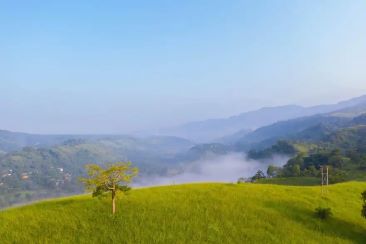
Monsoon transforms the Himalayas into a living canvas of rolling green slopes, drifting clouds, and roaring rivers. The Sangla Valley view is hidden in the heart of Sangla Valley. This season reveals a side of Himachal that feels raw, romantic, and untouched. The rain refreshes pine forests, nourishes apple orchards, and wraps the mountains in soft mist.
For travelers who love offbeat destinations, the Sangla Valley view during monsoon offers a peaceful yet dramatic escape. From cloud-covered peaks to vibrant village life, every corner of Kalpa Peak edge view the valley feels alive. Here is a complete guide to experiencing its misty forest beauty at its best.
Where Is Sangla and Why It Shines in Monsoon?
Sangla Valley lies in the Kinnaur district of Himachal Pradesh, near the Indo-Tibetan border. Cradled by towering Himalayan peaks and dense forests, the valley stretches along the Baspa River. While it remains beautiful year-round, monsoon enhances its natural charm in unexpected ways.
Rainfall paints the hills in deeper shades of green. The air turns crisp and refreshing. Unlike commercial hill stations, Sangla remains quiet and less crowded during this season. The slower pace allows visitors to truly absorb the valley's serene atmosphere and scenic landscapes.
The Mesmerizing Sangla Valley View After Rain
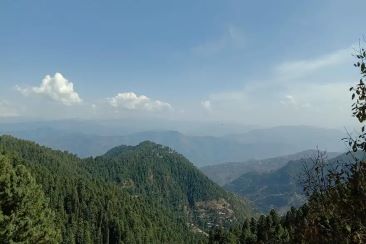
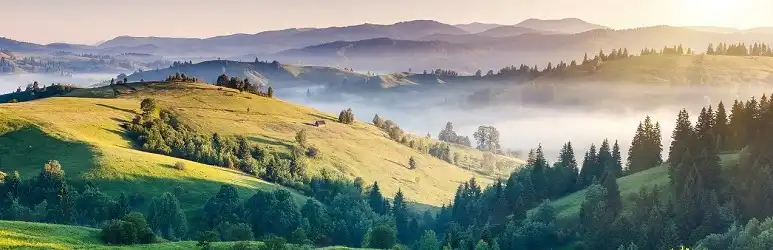
Rain showers transform the valley into a dreamlike setting. Low-hanging clouds drift between mountain ridges, sometimes hiding entire peaks before revealing them again. The contrast between dark forests and silver mist creates an ever-changing panorama that captivates the eye.
From elevated viewpoints, you can watch the Baspa River swell with glacial water. Waterfalls emerge from rocky cliffs, energized by fresh rainfall. The Sangla Valley view becomes more dramatic in these moments. That offer endless opportunities for photography and quiet reflection.
Early mornings provide the clearest scenes after overnight showers. The golden light filtering through mist adds depth and texture to the landscape, making every frame feel cinematic.
Misty Pine Forests and Scenic Nature Trails
The pine and deodar forests surrounding Sangla Valley view appear especially enchanting during monsoon. The earthy scent of wet soil fills the air. Further, the light rain often creates a shimmering effect on leaves and branches. Walking through these forests feels immersive and calming at the same time.
Several short trails near Sangla village and nearby hamlets offer gentle trekking options. These paths wind through thick greenery and open into panoramic clearings. Monsoon adds freshness to every step, though sturdy footwear is essential due to slippery terrain.
Nature lovers often find these forest walks deeply rejuvenating. The sound of birds, rustling leaves, and distant river flow creates a soothing natural soundtrack.
Baspa River: The Heartbeat of the Valley
The Baspa River plays a central role in shaping the valley's landscape. Originating from glaciers near the Indo-Tibetan border, it flows powerfully during the rainy season. Monsoon increases its volume, turning the river into a vibrant ribbon cutting through lush greenery.
Its turquoise currents contrast beautifully with moss-covered rocks and forested slopes. Visitors often sit along its banks to watch the water rush by while enjoying the cool mountain breeze. The river's energy complements the dramatic monsoon scenery.
Camping near the river can be memorable, but checking weather forecasts and local advisories is essential. Safety always comes first during the rainy season in the Himalayas.
Apple Orchards and Authentic Village Life
Sangla is well known for its thriving apple orchards. During monsoon, trees appear vibrant and heavy with growing fruit, preparing for the harvest season ahead. The orchards add texture and color to the valley's landscape.
Villages like Rakcham and Chitkul reflect traditional Kinnauri architecture, with wooden houses and slate roofs set against misty mountains. Prayer flags flutter gently in the rain, adding cultural depth to the scenery. The Sangla Valley view from these villages feels intimate and untouched.
Interacting with locals offers insight into their agricultural lifestyle and mountain resilience. Monsoon reveals how deeply connected the community is to the rhythms of nature.
Chitkul: A Misty Himalayan Gem
A short drive from Sangla leads to Chitkul, often referred to as India's last inhabited village near the border. The route itself is scenic, lined with cliffs, rivers, and panoramic viewpoints.
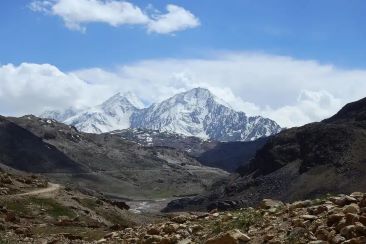
During monsoon, Chitkul appears almost mystical. Wooden houses stand against dramatic backdrops of cloud-covered peaks. The surrounding meadows turn lush green, and streams run fuller than usual. The entire setting feels serene yet powerful.
Road conditions can vary due to rainfall, so cautious driving is important. However, the journey rewards travelers with unforgettable Himalayan vistas.
Monsoon Photography and Visual Drama
Monsoon offers dynamic lighting conditions that photographers appreciate. Shifting clouds, reflections in puddles, and freshly washed landscapes create compelling compositions. Each hour presents a new mood, from bright breaks in the clouds to soft gray skies.
Wide-angle shots capture the vast valley, while close-ups reveal details like raindrops on pine needles. The Sangla Valley view becomes especially photogenic when mist moves across layered mountain ridges.
Carrying waterproof gear and protecting equipment is essential. Planning shoots around lighter rainfall ensures better clarity and safer conditions.
Weather Patterns and Practical Travel Tips
Monsoon in Sangla typically spans from July to September. Temperatures remain pleasant, ranging between 12°C and 20°C. Light showers are common, though occasional heavy rain may occur.
Travelers should monitor road updates, especially when approaching from Shimla or Reckong Peo. Keeping buffer days in your itinerary reduces stress in case of delays. Packing rain jackets, layered clothing, and reliable footwear ensures comfort.
Avoid traveling late at night during heavy rainfall. Planning daytime drives enhances both safety and visibility of scenic routes.
Local Cuisine and Warm Mountain Hospitality
Rainy weather in the mountains naturally calls for comforting food. Traditional Himachali dishes such as siddu, rajma chawal, and thukpa are widely available in Sangla. These meals are hearty and satisfying after a day of exploration.
Many homestays prepare fresh meals using local produce. Enjoying hot tea while watching mist roll across the valley adds a simple yet unforgettable pleasure to your trip. The hospitality of local families enhances the overall experience.
The blend of flavorful food and peaceful surroundings creates lasting travel memories.
Homestays, Riverside Camps, and Scenic Stays
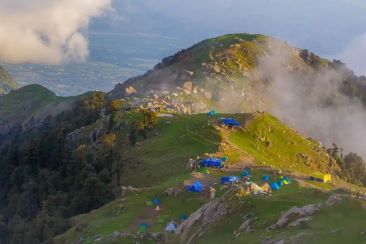
Accommodation options in Sangla range from cozy wooden homestays to riverside camps. Monsoon amplifies the charm of staying close to nature. The sound of rainfall on wooden roofs creates a soothing atmosphere.
Choosing accommodations with proper safety measures and good road access is important during this season. Many properties offer valley-facing balconies, providing uninterrupted mountain views.
Staying with local hosts also offers insight into Kinnauri traditions, architecture, and everyday life in the Himalayas.
Why Monsoon Is an Underrated Season to Visit
While many travelers prefer summer or autumn, monsoon remains an underrated season. The valley is quieter, allowing visitors to experience tranquility without large crowds. The greenery appears richer, and the mountains feel more alive.
Rain brings challenges, but it also reveals the valley's most authentic character. Forests glisten with freshness, rivers flow energetically, and clouds create dramatic visual layers. Experiencing this atmosphere offers a deeper connection to nature.
For those seeking calm, raw beauty, and immersive landscapes, monsoon in Sangla is truly special.
Reaching Sangla Valley
Reaching Sangla requires patience, but the journey is scenic. Travelers often drive from Kalka through Shimla before entering the Kinnaur region. The winding mountain roads pass through deep gorges, pine forests, and charming villages.
Self-driving and hiring experienced local drivers are common options. Planning for at least two days from Delhi ensures a comfortable trip without rushing. The dramatic Himalayan scenery along the route becomes part of the adventure itself.
Final Thoughts on Experiencing Sangla in Monsoon
Monsoon transforms Sangla into a breathtaking Himalayan retreat filled with mist, greenery, and flowing rivers. The combination of pine forests, apple orchards, vibrant villages, and dramatic mountain backdrops creates an unforgettable travel experience.
The Sangla Valley view during this season feels both peaceful and powerful. It invites travelers to slow down, breathe deeply, and appreciate nature's rhythm. If you are looking for an offbeat mountain destination that blends scenic beauty with cultural authenticity, visit Sangla in monsoon. That offers an amazing experience worth cherishing.