Shankaracharya Hill viewpoint: Srinagar City views in Spring
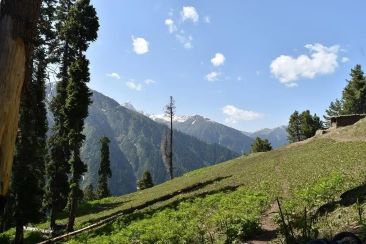
Spring in Srinagar feels like stepping into a living painting. Visiting the Shankaracharya Hill in spring provides a combination of natural beauty, cultural depth, and spiritual ambiance. That makes it an essential stop for any traveler exploring Kashmir. Snow-capped peaks begin to melt while valleys and gardens erupt in soft pastel colors. The iconic Dal Lake shimmers under golden sunlight, reflecting both nature and culture in perfect harmony. Rising above this scenic marvel is Shankaracharya hill, offering one of the most breathtaking panoramic views of Srinagar city.
The allure of this viewpoint goes beyond its height. From the moment you start ascending, the city gradually unfolds beneath you. It offers glimpses of life, greenery, and water in a harmonious blend. Springtime brings clear skies and vibrant landscapes, making the Gondola Snow Summit view experience even more mesmerizing. This guide explores everything you need to know to make the most of your visit to Shankaracharya Hill and enjoy Srinagar from a unique vantage point.
Location and Overview of Shankaracharya Hill
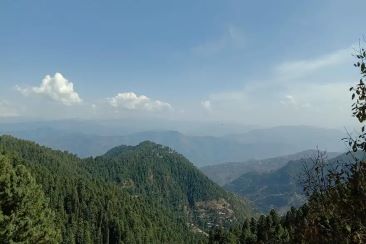
Perched approximately 1000 feet above Srinagar city, Shankaracharya Hill dominates the southeastern skyline near Dal Lake. Its strategic location provides an almost 360-degree view of the city, surrounding mountains, and the meandering Jhelum River. The hill's elevation allows visitors to capture both the bustling urban life below and nature's serenity in the distance. From any angle, the city looks like a carefully composed painting. In which, every lake, garden, and mosque contributes to the harmony of the scene.
Shankaracharya Hill is not just a tourist spot but also a cultural and historical landmark. Its presence over Srinagar has been acknowledged for centuries, symbolizing both spiritual and geographical prominence. The combination of natural splendor and historical significance makes it an ideal destination for both first-time visitors and returning travelers.
Why Spring Is the Perfect Season to Visit
Spring transforms Srinagar into a vibrant wonderland. From March to May, the city awakens with blooming flowers, lush greenery, and comfortable temperatures that make sightseeing enjoyable. The Zabarwan mountain range surrounding Srinagar begins to shed its winter snow, revealing fresh green slopes. On the other hand, almond blossoms and tulip gardens add layers of color throughout the city.
Visiting Shankaracharya Hill in spring allows you to experience the city's seasonal charm from above. The view is especially clear and crisp, perfect for photography and sightseeing. Unlike the hotter summer months or the foggy winters, spring provides a different experience. It offers a balance of pleasant weather, fewer crowds, and ideal natural lighting. Every direction offers a visual treat, from the sparkling Dal Lake to the patchwork of gardens below.
Panoramic Views of Dal Lake
One of the most captivating aspects of visiting the hill is the stunning view of Dal Lake. In spring, the lake appears even more enchanting as houseboats float gently and shikaras glide across its calm waters. Morning mist often hovers above the surface, creating a soft, ethereal layer that adds to the magical atmosphere.
From the hilltop, visitors can observe the interplay of light and reflection on the lake. The spring sun brings out shades of turquoise and emerald in the water. The surrounding trees and gardens reflect perfectly, creating picture-perfect symmetry. Witnessing this transformation throughout the day, from sunrise to sunset, offers a completely different perspective on Srinagar's charm.
The Shankaracharya Temple: Spiritual and Historical Significance
Crowning the hill is the historic Shankaracharya Temple, dedicated to Lord Shiva. This ancient temple is steeped in history, with roots tracing back to centuries ago. During that, Adi Shankaracharya is believed to have meditated here. Pilgrims and visitors alike climb the steps leading to the summit. They are drawn by the spiritual aura and the promise of spectacular views.
The temple's architecture is modest but elegant, harmonizing with the natural surroundings. The stone structure, set against the vibrant greenery of spring, creates a scene that feels timeless. Visiting the temple allows you to experience not just panoramic views but also a sense of cultural and spiritual connection. That enriches your journey beyond sightseeing alone.
Experiencing Sunrise from the Hilltop
Sunrise on Shankaracharya Hill is a soul-stirring experience. As dawn breaks, the first rays illuminate the Himalayan peaks and gradually reveal the city below. The lake shimmers with golden and silver hues, reflecting the awakening city and its surroundings. Spring mornings offer clear skies and cool, crisp air, making the climb and wait for sunrise comfortable and rewarding.
This early hour also provides a quieter environment, free from crowds, allowing visitors to absorb the serene beauty in peace. You may be a photographer looking for the perfect shot or a traveler seeking tranquility. Witnessing the sunrise from this vantage point is an unforgettable experience that sets a positive tone for the day.
Sunset Views Over Srinagar City
Sunset from Shankaracharya Hill offers a completely different, yet equally mesmerizing, experience. The sky transforms into a canvas of orange, pink, and purple tones, while city lights gradually twinkle below. Mountains stand as dark silhouettes, creating a striking contrast against the colorful horizon. Spring evenings remain comfortably cool, allowing visitors to linger longer without feeling rushed.
The reflections on Dal Lake during sunset are particularly dramatic. The combination of fading sunlight and the peaceful movements of shikaras creates a moment that feels almost cinematic. Watch the day slowly giving way to night from this viewpoint. It gives a deeper appreciation for Srinagar's natural and urban beauty.
Viewing Mughal Gardens From Above
Shankaracharya Hill provides a unique perspective of Srinagar's famous Mughal gardens. Among them is Indira Gandhi Memorial Tulip Garden, Asia's largest tulip garden. That bursts into vibrant color during spring. From the hill, the meticulously designed geometric layouts of gardens such as Nishat Bagh and Shalimar Bagh are clearly visible.
The elevated view allows visitors to appreciate the harmony between architecture and nature. Fountains, terraces, and floral patterns stand out vividly, especially during spring when the gardens are in full bloom. Observing these historical landscapes from above gives a comprehensive understanding of the city's aesthetic and cultural planning.
Accessibility and Travel Tips
Reaching the hilltop is relatively straightforward, with a paved road leading close to the summit. From there, a series of steps takes you to the temple and viewpoint. Local taxis and private vehicles are readily available from most parts of Srinagar. Further, the signage along the route makes navigation simple. Carrying valid identification is essential as security checks are standard at the hill's base.
Visitors should wear comfortable shoes, especially for the climb, and carry a light jacket for spring mornings and evenings. Visiting on weekdays is preferable, as weekends can get crowded during peak bloom season. Keeping your itinerary flexible allows you to explore the area at a relaxed pace.
Photography Tips for Capturing Spring Beauty
Spring is the perfect season for photography on Shankaracharya Hill. Early mornings and late afternoons offer soft, flattering light. That is ideal for capturing the city, mountains, and lake in all their glory. A wide-angle lens is particularly useful for panoramic shots. Meanwhile, including nearby flowers or trees in the foreground adds depth to your images.
Cloud patterns and gentle mist can enhance the mood of your photographs. Observing the interplay of light and shadow throughout the day allows for unique and dramatic compositions. Taking your time and patiently waiting for the perfect moment can result in images. That truly capture the essence of Srinagar in spring.
Combining the Visit With Other Attractions
To make the most of your visit, consider pairing Shankaracharya Hill with nearby spring attractions. After descending, you can enjoy a shikara ride on Dal Lake. You can stroll through the vibrant tulip garden, or explore Mughal gardens up close to admire their fountains and terraces. Srinagar's local markets offer handicrafts, Kashmiri spices, and traditional cuisine. That complement the scenic experience with cultural flavors.
Spring is also perfect for short excursions to nearby valleys or lakes. The mild weather ensures comfortable travel and breathtaking views throughout the region. That allow you to extend your adventure beyond the hill itself.
Practical Advice for a Memorable Visit
Arriving early helps avoid crowds and ensures better parking options. Carry water, snacks, and a fully charged camera or phone to capture every moment. Respect the temple and its rules, especially regarding photography and conduct. Maintaining cleanliness and disposing of waste responsibly enhances the experience for everyone. Most importantly, take your time and immerse yourself fully in the panoramic views and the serene atmosphere of springtime Srinagar.
Conclusion: Experiencing the Magic of Shankaracharya Hill in Spring
A visit to Shankaracharya Hill during spring is more than just sightseeing. It combines the beauty of nature, the richness of culture, and the serenity of spiritual reflection in one unforgettable experience. Panoramic vistas of Dal Lake, blooming Mughal gardens, and snow-capped mountains offer endless photographic opportunities. On the other hand, the historic temple adds depth and meaning to the visit.
Whether you're traveling for photography, leisure, or cultural exploration, this viewpoint provides a unique lens through which to experience Srinagar. Visiting Shankaracharya Hill in spring ensures mild weather, vibrant landscapes, and clear skies. That allow you to fully appreciate the city and its surroundings. Standing atop the hill, surrounded by the colors, scents, and sounds of spring, is a unique experience. That will stay with you long after you leave Kashmir.