Sonamarg Valley viewpoint: Majestic Peaks of Kashmir in Winter
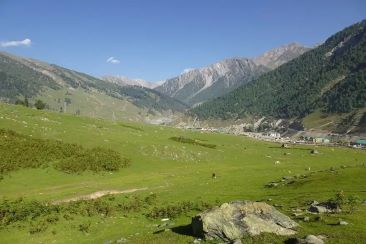
Winter in Kashmir feels like stepping into a paused world and snow softens sound, light, and movement. The Sonamarg Valley viewpoint already known for its dramatic alpine charm, becomes even more striking in colder months. The valley turns quiet, reflective, and deeply scenic. White slopes replace green meadows. Crisp air sharpens every view. Travelers who arrive during winter experience a raw, emotional connection with nature that feels rare today.
This season strips the region to its essentials. What remains is geography, silence, and scale. The experience Aru Hill Vista is not rushed or crowded. It is personal and immersive, offering one of the most visually powerful winter landscapes in the Himalayas.
The Distinct Winter Character of Sonamarg's Landscape
Winter reshapes the Sonamarg Valley viewpoint personality. Snow blankets the terrain evenly, creating clean lines and smooth contours. Hills appear larger. Distances feel shorter due to the clarity of air. Without summer crowds, the surroundings feel untouched. Even familiar paths look new.
The cold brings a sense of order and calm. Nature feels disciplined rather than wild. This seasonal transformation makes the valley ideal for travelers who appreciate subtle beauty over spectacle. Winter reveals structure, symmetry, and stillness that often go unnoticed in warmer months.
Himalayan Peaks Draped in Snow and Light
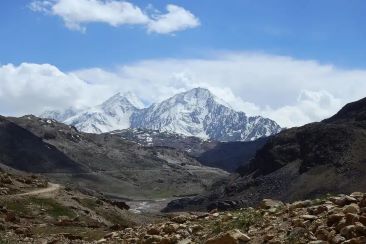
The mountains surrounding Sonamarg Valley viewpoint dominate the winter horizon. Their snow-covered faces reflect sunlight differently throughout the day. Morning light feels soft and pale. Afternoon light adds sharp contrast. Evenings glow with muted gold and pink hues.
Clouds move quickly in winter skies. Peaks appear and disappear within minutes. This constant change keeps the scenery dynamic. Observing the mountains becomes an experience in itself. No activity is required. Simply watching feels enough.
The Magic of Frozen Meadows and White Plains
The valley's famous meadows transform completely during winter. Thick snow hides grass, flowers, and trails. These wide white spaces create a sense of openness and calm. Footsteps leave temporary marks that vanish with fresh snowfall.
These frozen plains invite slow walks and quiet reflection. The absence of color sharpens awareness of shapes and shadows. Many visitors find these spaces emotionally grounding. The simplicity of snow-covered land offers mental clarity rarely found in busy destinations.
Winter Silence and the Sound of Nature
Silence defines winter in Sonamarg. Wind brushing past pine trees becomes noticeable. Snow crunches under boots. Distant water flows beneath ice. These small sounds stand out against the quiet backdrop.
This silence encourages mindfulness. Travelers naturally slow down. Conversations become softer. Moments feel longer. The environment teaches patience without effort. Winter here is not empty. It is intentionally calm.
Sindh River During the Cold Season
The Sindh River continues its journey even in freezing temperatures. Ice forms along the edges while the center flows steadily. Early mornings often bring mist rising from warmer water. This contrast creates dramatic visual scenes.
Snow-covered rocks frame the riverbanks. Reflections appear sharper in winter light. The river adds movement to an otherwise still landscape. Spending time near the water balances the cold silence with gentle motion.
Photography Opportunities in Winter Conditions
Winter offers excellent photography conditions at Sonamarg Valley viewpoint. Snow acts as a natural reflector, brightening scenes evenly. Shadows remain soft. Colors appear minimal but refined. Blue skies contrast beautifully with white terrain.
Early morning photography captures pastel tones. Midday reveals crisp details. Sunset adds warmth to icy scenes. Even amateur photographers achieve striking results. Winter landscapes simplify composition, making every frame visually pleasing.
Wildlife Signs and Natural Adaptations
While wildlife sightings are less frequent, winter reveals subtle signs of life. Tracks in snow tell silent stories. Birds remain active near forests. Trees show signs of endurance under heavy frost.
Observing these details adds depth to the Sonamarg Valley viewpoint experience. Nature adapts rather than retreats. This quiet resilience resonates with travelers who look beyond obvious attractions. Winter encourages observation over action.
Life in Sonamarg During Winter Months
Local life slows during winter. Families adapt routines around snowfall and daylight. Homes are designed to retain warmth. Food feels heartier. Tea tastes stronger. Hospitality becomes more personal.
Visitors experience genuine interactions during this season. Fewer tourists mean deeper conversations. Local stories reflect survival, tradition, and respect for nature. Winter offers cultural insight that busy seasons often hide.
Essential Winter Travel Preparation
Traveling to Sonamarg Valley viewpoint in winter requires planning. Weather conditions change quickly. Roads may close temporarily due to snowfall. Checking local updates before departure is essential.
Warm clothing is non-negotiable. Layering provides flexibility. Footwear should offer grip on icy paths. Carry basic supplies, as shops may be limited. Power outages can occur. Preparation ensures comfort and safety throughout the journey.
Ideal Timing for Winter Sightseeing
Morning hours provide the clearest views. Snow sparkles under soft sunlight. Afternoons allow relaxed exploration. Evenings feel dramatic but colder. Sunset colors create unforgettable mountain silhouettes.
Daylight hours are shorter in winter. Planning activities earlier maximizes experience. Avoid late-night travel due to icy conditions. Each time of day offers a unique atmosphere worth experiencing.
Comparing Winter With Other Seasons in Sonamarg
Each season shapes the valley differently. Summer brings greenery and activity. Autumn offers golden tones and calm transitions. Spring introduces renewal and color. Winter, however, removes excess and reveals form.
Cold months emphasize scale, silence, and clarity. Travelers seeking serenity prefer this season. Winter landscapes feel timeless. They leave a stronger emotional imprint than any other time of year.
Emotional Impact of Winter Landscapes
Winter scenery affects perception and mood. Snow simplifies surroundings and thoughts. Silence encourages introspection. The valley feels detached from modern pace.
Many visitors describe winter experiences here as meditative. The environment invites stillness without asking for effort. This emotional depth often becomes the most cherished memory of the journey.
Why Winter Travel Appeals to Mindful Explorers
Winter attracts travelers seeking meaning rather than movement. The experience is less about ticking attractions and more about being present. Fewer distractions create space for reflection.
The valley teaches patience, observation, and appreciation. These qualities resonate with slow travelers, photographers, writers, and nature lovers. Winter offers authenticity without performance.
Sustainability and Responsible Winter Tourism
Winter tourism remains limited, reducing environmental pressure. Travelers should maintain this balance by respecting nature. Avoid littering. Stick to safe paths. Support local businesses.
Responsible travel preserves the valley's fragile winter ecosystem. Conscious choices ensure future generations experience the same untouched beauty. Winter travel carries responsibility along with reward.
Final Thoughts: The Enduring Beauty of Winter Sonamarg
Winter reveals Sonamarg in its purest form. Snow-covered peaks, frozen meadows, silent forests, and flowing rivers create a deeply immersive experience. The absence of crowds allows true connection with nature and culture.
Sonamarg Valley viewpoint during winter is not about excitement. It is about stillness, scale, and emotion. For travelers seeking peace, clarity, and majestic Himalayan scenery, this season offers an unforgettable journey into Kashmir's alpine soul.