Nubra Valley viewpoint: Mesmerizing Desert Valley Scene in Leh
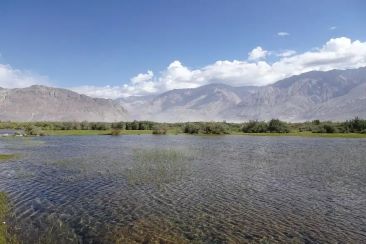
Hidden in the northern Ladakh, the stunning landscapes of Nubra Valley continuously attract travelers from around the world. The famous Nubra Valley viewpoint offers panoramic sights of sand dunes, monasteries, and snow-covered peaks in one frame. Surrounded by rugged mountains, cold deserts, and winding rivers, this region further delivers unforgettable Himalayan scenery.
Located beyond the legendary Khardung La Pass, the valley combines adventure with serenity. Travelers often describe the Moonland Cliff viewpoint route as one of the most scenic drives in India. Every turn further reveals dramatic landscapes that look almost unreal.
From sunrise photography to peaceful evening views, the region offers countless moments worth capturing. This guide to Nubra Valley viewpoint explores the best attractions, travel tips and cultural highlights. It states the reasons why this desert valley in Leh deserves a place on every mountain travel itinerary.
The Unique Geography of Nubra Valley
Unlike typical Himalayan valleys, Nubra Valley surprises visitors with its cold desert terrain. The valley further sits at the confluence of the Shyok and Nubra rivers. Visitors can meanwhile experience the beauty of Nubra Valley viewpoint with towering mountains. That rise dramatically around stretches of sand dunes and green villages.
The contrast at Nubra Valley viewpoint is extraordinary. On one side, travelers witness barren cliffs and desert plains. While on the other, they meanwhile find fertile fields lined with apricot trees and poplar forests. This rare landscape further creates an unforgettable visual experience.
The region also lies close to ancient Silk Route trading paths. Historically, traders crossed these harsh mountains while traveling between Central Asia and India. Today, tourists follow similar routes to experience the valley's untouched beauty.
Scenic Beauty from the Famous Viewpoint
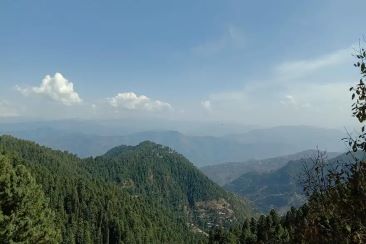
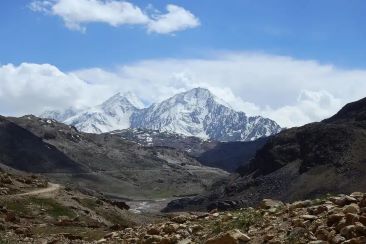
The Nubra Valley viewpoint delivers one of the most mesmerizing panoramas in Leh. From elevated positions, visitors can observe winding rivers, white mountain peaks, and the vast desert floor. That are meanwhile stretching into the distance.
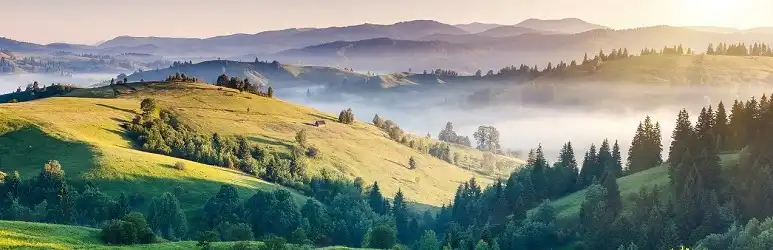
Morning hours usually provide crystal-clear visibility. During sunrise, the sunlight paints the mountains in shades of gold and orange. Evening light creates equally magical scenery with softer tones across the valley.
Photography enthusiasts often spend hours capturing the dramatic contrasts. The changing colors of the landscape firstly make every image unique. Wide-angle shots work especially well because of the valley's immense scale and open skies.
Journey Through Khardung La Pass
Reaching Leh to access Nubra Valley is an adventure itself. Travelers cross the iconic Khardung La, one of the world's highest motorable mountain passes. The road further offers thrilling hairpin bends and spectacular mountain views.
Snow walls often line the roads during colder months. Many travelers stop briefly at the summit to enjoy the icy scenery and capture memorable photographs. The air becomes thinner at this altitude, so gradual acclimatization is important.
Moreover, the drive from Leh to Nubra Valley generally takes five to six hours. Despite the long journey, the constantly changing scenery keeps travelers engaged throughout the route.
Hunder Sand Dunes and Double-Humped Camels
One of the valley's most famous attractions is the desert landscape near Hunder. The sand dunes appear surreal against the backdrop of snow-covered mountains. This unusual setting further creates one of Ladakh's most iconic travel scenes.
Visitors can meanwhile enjoy camel rides on rare Bactrian camels. These double-humped camels once carried goods along the Silk Route. Today, they remain a fascinating reminder of the region's historical trade connections.
Above all, sunset at the dunes is especially beautiful. As temperatures cool, the desert reflects golden hues while mountain shadows stretch across the sand. The peaceful atmosphere attracts photographers and nature lovers alike.
Diskit Monastery and Giant Buddha Statue
A trip to the valley further remains incomplete without visiting Diskit Monastery. Perched on a hilltop, this ancient monastery overlooks the valley with stunning panoramic views.
The monastery belongs to the Gelugpa sect of Tibetan Buddhism. Inside, visitors discover colorful murals, prayer halls, and sacred statues reflecting Ladakh's spiritual heritage. The peaceful environment meanwhile offers a refreshing break from busy travel schedules.
A massive Maitreya Buddha statue stands nearby. Facing the Shyok River, the statue symbolizes peace and protection for the valley. Many travelers pause here to absorb the quiet atmosphere and admire the expansive mountain scenery.
Best Time to Visit the Valley
Summer remains the ideal season for visiting the region. Between May and September, roads stay accessible and weather conditions remain pleasant. Daytime temperatures are comfortable for sightseeing and photography.
July and August bring vibrant greenery to villages and riverbanks. The contrast between green fields and barren mountains becomes especially striking during this period. Clear skies also improve visibility for landscape photography.
Winter transforms the valley into a frozen wonderland. Heavy snowfall creates dramatic scenery, but travel conditions become more challenging. Adventure seekers often prefer winter for its solitude and snow-covered landscapes.
Adventure Activities Around the Region
The Nubra Valley viewpoint firstly attracts more than casual sightseers. Adventure enthusiasts can enjoy trekking, mountain biking, river exploration, and off-road drives through rugged Himalayan terrain.
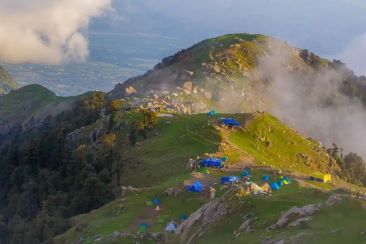
Camping near the dunes provides a memorable outdoor experience. Clear night skies reveal countless stars, creating perfect conditions for astrophotography. The silence of the desert landscape further adds to the magical atmosphere.
Several trekking routes also connect remote villages and monasteries. These trails allow travelers to experience traditional Ladakhi culture while exploring untouched mountain landscapes. That lies far from crowded tourist spots.
Traditional Villages and Local Culture
Small villages scattered across the valley preserve centuries-old traditions. Places for example Sumur and Turtuk showcase unique cultural influences shaped by Tibetan and Balti heritage.
Local homes often feature traditional mud-brick architecture designed for harsh mountain weather. Meanwhile, visitors frequently receive warm hospitality from residents who proudly share local customs and cuisine.
Traditional Ladakhi dishes add another layer to the travel experience. Butter tea, thukpa, momos, and apricot-based products remain popular among travelers seeking authentic regional flavors.
Photography Opportunities in Every Direction
Moreover, landscape photographers consider the valley a dream destination. Every corner presents a dramatic composition of rivers, dunes, monasteries, and mountain peaks.
Golden hour remains the best time for capturing scenic images. Soft lighting enhances textures across the desert terrain while creating beautiful shadows along mountain ridges. Further, drone photography has become increasingly popular in the region.
Wildlife photography opportunities exist at Nubra Valley viewpoint as well. Travelers occasionally spot Himalayan birds, yaks, and marmots across remote sections of the valley. That is to say, patience and early morning exploration often reward photographers with unique sightings.
Travel Tips for First-Time Visitors
Preparation plays an important role in ensuring a comfortable trip to Nubra Valley viewpoint. Due to high altitude, travelers should spend at least two days acclimatizing in Leh. After that, they should head toward Nubra Valley.
Warm clothing remains essential even during summer. Temperatures can drop suddenly after sunset. Carrying sunscreen, sunglasses, and reusable water bottles also helps during long journeys.
Travel permits are mandatory for Indian and international tourists visiting restricted areas in Ladakh. Booking accommodations and transport in advance becomes helpful during peak tourist months.
Why This Destination Stands Out in Leh
The valley further offers a rare combination of adventure, tranquility, and cultural richness. Few destinations in India provide such dramatic contrasts within a single landscape. Desert dunes blend seamlessly with icy mountain peaks and flowing rivers.
Unlike heavily commercialized tourist destinations, the valley still maintains much of its raw natural charm. The peaceful atmosphere meanwhile allows travelers to disconnect from busy urban life and reconnect with nature.
There are unforgettable mountain views, unique desert scenery, and spiritual heritage. That further continue to make this Himalayan destination one of the most rewarding experiences in Ladakh.
Conclusion
A journey through Nubra Valley reveals some of the most extraordinary landscapes in the Indian Himalayas. From ancient monasteries to sweeping desert vistas, every experience leaves a lasting impression. The Nubra Valley viewpoint perfectly captures the essence of this magical region. That meanwhile combine rugged mountains, peaceful rivers, and endless skies into one breathtaking panorama.
Whether travelers seek adventure, photography, spirituality, or relaxation, the valley delivers an unforgettable Himalayan escape. With careful planning and the right season, the Nubra Valley viewpoint in Leh promises memories. That further remain vivid long after the journey ends.