Valley of Flowers Ridge: Enjoy charming Forest view in Monsoon
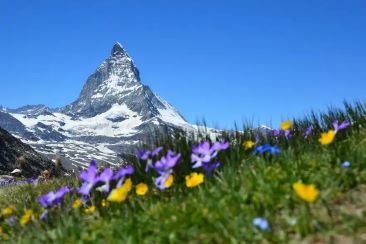
The Himalayas become magical during the rainy season. Among its scenic wonders, the Valley of Flowers ridge stands out for its vibrant beauty and peaceful atmosphere. Mist-covered mountains, blooming alpine flowers, and fresh forest trails create a dreamlike escape for trekkers. Hidden in the high-altitude region of Uttarakhand, this is a scenic trekking route. That further offers a refreshing blend of colorful meadows, cascading streams, and dense forests.
The monsoon months transform the landscape into a living painting. Every step Nag Tibba Peak reveals rare flowers, cool mountain winds, and unforgettable valley views. In addition, the trail remains ideal for nature lovers, photographers, and adventurers looking for a memorable Himalayan journey.
Why the Monsoon Season Enhances the Trek
Monsoon gives the Valley of Flowers ridge a completely different charm. Fresh rainfall nourishes thousands of alpine flowers across the hillsides. As a result, the region becomes greener and more vibrant than any other season.
Clouds drift slowly above the mountains, while waterfalls gain strength from continuous rain. During it, the charming views of Valley of Flowers ridge become more stunning. The cool climate also makes trekking comfortable despite occasional showers. Moreover, the mist creates dramatic views that photographers love capturing throughout the journey.
Scenic Forest Trails Along the Route
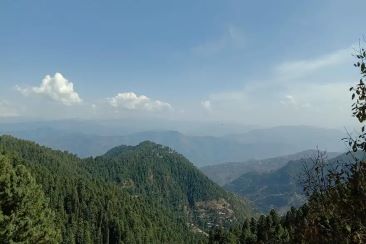
One of the most enjoyable parts of the Valley of Flowers ridge is the dense forest section. Tall oak, rhododendron, and pine trees cover the pathways with natural shade. During monsoon, the leaves appear brighter and cleaner due to frequent rain.
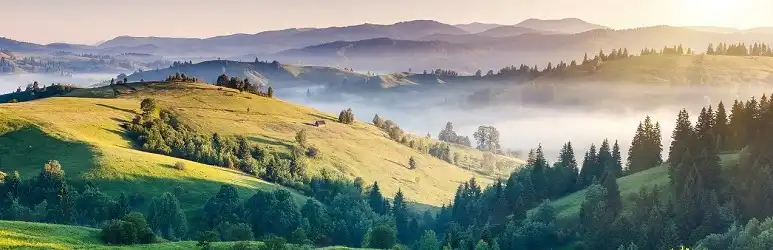
The sound of birds and flowing streams adds calmness to the trail. Trekkers often pause here to admire the peaceful surroundings. In some areas, fog settles between the trees, creating an enchanting atmosphere that feels almost cinematic.
Rich Biodiversity Found in the Region
The valley is famous for its ecological richness. Hundreds of rare flower species bloom during the rainy months. Blue poppies, cobra lilies, orchids, and primulas decorate the meadows with stunning colors.
Apart from flowers, the region supports several Himalayan wildlife species. Visitors may spot musk deer, Himalayan monal, or colorful butterflies during the trek. Therefore, the area remains highly valued among nature researchers and wildlife enthusiasts.
Trek Difficulty and Trail Experience
The trail of Valley of Flowers ridge is moderately challenging. Beginners with decent fitness can complete it comfortably with proper preparation. However, slippery paths during monsoon require careful walking and sturdy trekking shoes.
Most trekkers firstly start from Govindghat and continue toward Ghangaria before reaching the main valley. The route includes stone pathways, wooden bridges, and gradual ascents. Even though the trek demands effort, the rewarding scenery keeps travelers motivated throughout the journey.
Mesmerizing Waterfalls and River Crossings
Monsoon increases the beauty of mountain streams and waterfalls. Fresh water rushes down the cliffs, creating breathtaking sights along the trekking route. Several small waterfalls appear beside the trail after rainfall.
Trekkers also cross charming wooden bridges over fast-flowing rivers. These moments become highlights of the journey because they showcase the raw power of Himalayan nature. The cool mist from waterfalls often provides refreshing relief during the climb.
Best Time to Visit the Valley During Monsoon
July to early September is considered the best period for visiting the valley. During this time, flowers bloom fully and the surrounding forests remain lush and green. August especially offers the richest floral display.
Weather conditions may change quickly in the mountains. Therefore, travelers should always keep rain gear and warm clothing ready. Early morning trekking is usually recommended because visibility remains clearer before afternoon showers begin.
Photography Opportunities in Every Direction
The landscape offers endless opportunities for photography lovers. Vibrant flowers, cloudy skies, and dense forests combine beautifully in every frame. Moreover, the changing weather creates unique lighting conditions throughout the day.
Trekkers often capture close-up shots of rare flowers and wide-angle views of misty ridges. Wooden bridges, mountain streams, and rain-covered leaves also become stunning visual subjects. Consequently, many travel photographers consider this region one of the most photogenic Himalayan destinations.
Local Culture and Mountain Hospitality
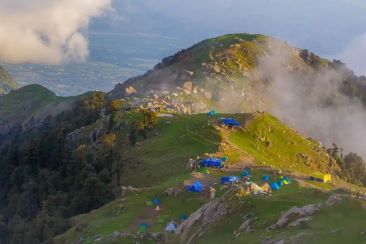
The nearby mountain villages reflect the warm culture of Uttarakhand. Locals welcome trekkers with simple hospitality and traditional food. Small guesthouses and trekking camps provide basic yet comfortable accommodation during the journey.
Travelers can enjoy regional dishes such as hot dal, rice, and local bread after long trekking hours. In addition, interactions with villagers offer insight into Himalayan traditions and sustainable mountain living practices.
Essential Packing Tips for Monsoon Treks
Packing correctly makes the journey safer and more enjoyable. Waterproof jackets, trekking shoes, and quick-dry clothing remain essential during the rainy season. A sturdy backpack cover also protects belongings from unexpected showers.
Trekkers should carry energy snacks, reusable water bottles, and basic medicines. Walking poles can help maintain balance on slippery terrain. Furthermore, keeping extra socks and lightweight gloves improves comfort during cold evenings in the mountains.
Safety Guidelines for a Smooth Journey
Mountain weather changes rapidly during monsoon. Therefore, trekkers should stay updated about trail conditions before starting the trip. Following local guides and marked paths reduces unnecessary risks.
Avoid trekking alone during heavy rain or low visibility. Further, it is important to maintain a steady pace and stay hydrated throughout the journey. Responsible trekking practices help preserve the natural beauty of the region for future visitors.
Nearby Attractions Worth Exploring
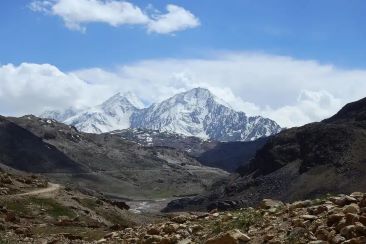
Several beautiful destinations lie near the trekking route. Hemkund Sahib attracts spiritual travelers with its peaceful high-altitude lake and gurudwara. The surrounding snow-covered peaks create magnificent views during the journey.
Govindghat and Joshimath also serve as popular stops for travelers exploring the Garhwal Himalayas. Adventurers often extend their trip to nearby trekking routes and scenic mountain villages after completing the valley trek.
Why Nature Lovers Admire This Himalayan Escape
The Valley of Flowers ridge offers more than a trekking adventure. It delivers an emotional connection with untouched Himalayan landscapes. Every section of the trail feels alive with colors, sounds, and mountain freshness.
Dense forests, blooming meadows, and misty ridges together create a peaceful environment rarely found elsewhere. As a result, many trekkers return with unforgettable memories. They return with a deeper appreciation for Himalayan biodiversity and natural beauty.
Conclusion
A monsoon trek through the Himalayas reveals nature at its finest. The Valley of Flowers ridge combines scenic forests, flower beds, and refreshing mountain air into one unforgettable experience. From misty trails to roaring waterfalls, every moment further feels magical during the rainy season.
The journey of Valley of Flowers ridge meanwhile introduces travelers to Himalayan culture, biodiversity, and peaceful mountain living. Whether exploring for adventure, photography, or relaxation, this destination promises a rewarding escape into nature's most vibrant landscapes.